
Cost Comparison • EV • Sydney
Home vs Public EV Charging in Sydney: Real Cost Comparison 2026
Charging at home costs $3–$7 per 100 km on grid power — or nearly free on surplus solar. Public DC fast charging costs $12–$15 per 100 km. Over 15,000 km a year, the difference is $1,200–$1,800. That’s more than enough to justify the $1,500–$3,000 home charger install. Here’s the full math with real Sydney 2026 electricity rates.
Primary sources: NSW Energy Saving Scheme.
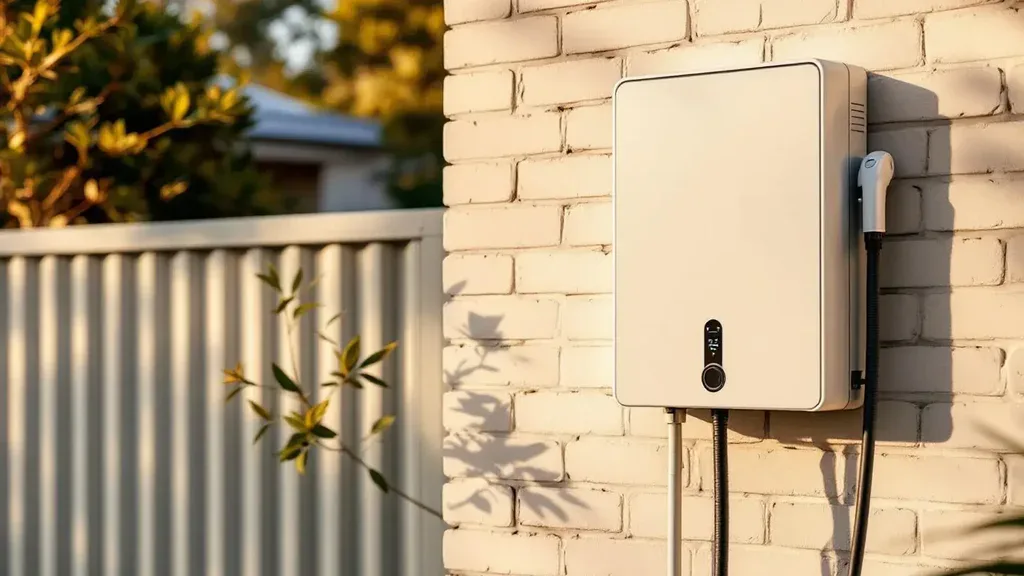
What Home Charging Actually Costs in Sydney
| Charging source | Rate (c/kWh) | Cost per 100 km | Annual (15,000 km) |
|---|---|---|---|
| Surplus solar (smart charger) | 0–5¢ | $0–$1.50 | $0–$225 |
| Off-peak grid (ToU plan) | 18–22¢ | $3.00–$4.50 | $450–$675 |
| Flat-rate grid | 30–35¢ | $5.50–$7.00 | $825–$1,050 |
| Peak grid (3pm–9pm) | 45–55¢ | $9.00–$11.00 | $1,350–$1,650 |
Assumes 18 kWh/100 km (typical for a Model Y, Ioniq 5, or BYD Seal in Sydney driving conditions). Rates based on Ausgrid time-of-use tariff structures, April 2026.
What Public Charging Costs in Sydney in 2026
| Network / Type | Rate | Cost per 100 km |
|---|---|---|
| Destination AC (7–22 kW) Shopping centres, hotels, car parks | Free–$0.30/kWh | $0–$5.40 |
| Chargefox (50 kW DC) | $0.45–$0.55/kWh | $8.10–$9.90 |
| Chargefox (350 kW ultra-rapid) | $0.60–$0.70/kWh | $10.80–$12.60 |
| Tesla Supercharger (for Teslas) | $0.55–$0.65/kWh | $9.90–$11.70 |
| Evie Networks (50–350 kW) | $0.50–$0.65/kWh | $9.00–$11.70 |
| AmpCharge / Jolt (various) | $0.40–$0.60/kWh | $7.20–$10.80 |
Note: some destination chargers at shopping centres and hotels are free — but they charge at 7 kW, which means 30–60 minutes for a meaningful top-up. DC fast chargers are pay-per-kWh and add 200+ km in 30 minutes — but at a premium cost.
The Break-Even Point: When a Home Charger Pays for Itself
If you drive 15,000 km/year and currently rely on public DC charging at ~$11/100 km, your annual charging cost is ~$1,650. Switch to home off-peak charging at ~$4/100 km, your annual cost drops to ~$600. You save $1,050/year.
A home charger install costs $1,500–$3,000. Break-even: 1.5–3 years. After that, every kilometre is roughly half the cost of public charging — permanently. With solar divert, the break-even is under 12 months.
Who Should Rely on Public Charging vs Install at Home
- Install at home if: You have a driveway or garage with a wall to mount the charger, you drive 30+ km/day, you have or plan solar, or you want the convenience of waking up to a full battery every morning.
- Rely on public if: You're in an apartment without dedicated parking, you drive under 15 km/day (a weekly public session is cheaper than an install), or you're renting short-term and can't install.
- Both: Most EV owners use home charging for 80–90% of their needs and public DC for occasional long trips. This is the optimal pattern — cheapest per-km with the flexibility of fast top-ups when needed.
Frequently Asked Questions
Is it cheaper to charge an EV at home or at a public charger?+
Home is significantly cheaper. Off-peak grid: $3–$4.50/100 km. Surplus solar: $0–$1.50/100 km. Public DC fast charging: $9–$13/100 km. Over 15,000 km/year, home charging saves $1,000–$1,800 vs relying solely on public DC.
How long does a home charger take to pay for itself?+
1.5–3 years if switching from public DC to home off-peak charging. Under 12 months if you have solar and use a smart charger with solar divert. After break-even, the savings are permanent.
Can I survive without a home charger in Sydney?+
Yes — Sydney has a growing public charging network (Chargefox, Evie, Tesla Supercharger, AmpCharge). If you drive under 15 km/day and can access a free destination charger at work or a shopping centre, it's viable. For higher daily km, home charging is much more convenient and cheaper.
How much does public EV charging cost in Sydney?+
DC fast charging: $0.45–$0.70/kWh depending on the network and speed. That's $8–$13 per 100 km. Free destination AC chargers exist at some shopping centres and hotels but charge at 7 kW (slow). Tesla Superchargers: $0.55–$0.65/kWh for Tesla vehicles.
Is solar + home charging really nearly free?+
Yes — if you're charging on surplus solar that would otherwise export at 3–8¢/kWh, your effective cost is $0–$1.50/100 km. The electricity was going to be generated anyway; the charger just captures it before it leaves your property. Over a year, that's close to $0 for daily commuting.
What about free public chargers?+
Some shopping centres (Westfield, etc.) and hotels offer free AC charging at 7–22 kW. This is genuinely free but slow — expect 10–30 km of range per hour. If your shopping trip is 2 hours, you'll add 20–60 km of range for free. Not a primary charging strategy, but a useful supplement.
Ready to start charging at home?
A home charger pays for itself in 1.5–3 years vs public charging costs. We'll assess your property, recommend the right charger, and give you a clear installed price.
Related Reading
- Cost GuideEV Charger Cost SydneyFull install cost breakdown to pair with these running cost numbers.
- SolarSolar EV Charging SydneyHow solar divert makes home charging nearly free.
- ComparisonSmart vs Basic EV ChargerSmart chargers unlock off-peak scheduling and solar divert — the two cheapest ways to charge.
- ComparisonGranny vs Wall ChargerSlow-charge cost angle.